Supporting safe, equitable, and coordinated community birth care
Every birth deserves equitable care
The Community Birth and Doula Initiative provides families, providers, and partners with the information, tools, and resources to better navigate perinatal care outside the hospital—from pregnancy through postpartum.
Learn More About Us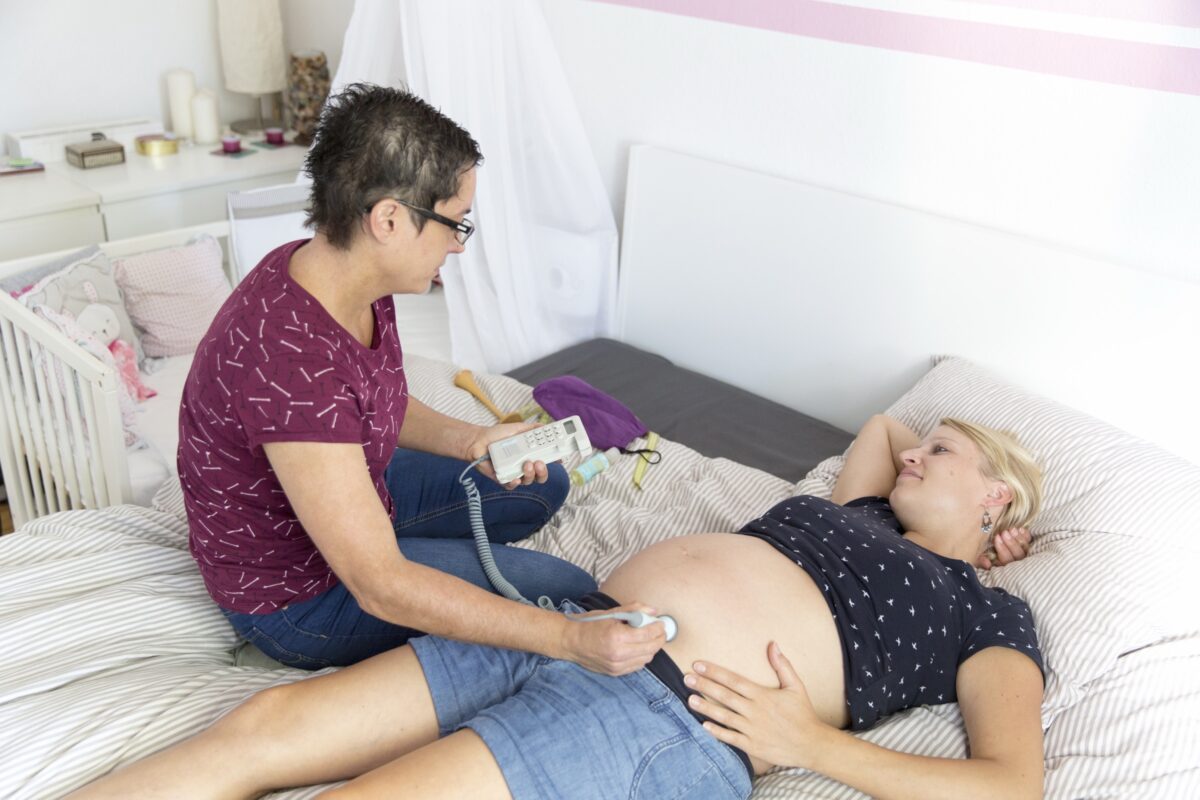

-
For Care Providers
Grow your practice. Strengthen your community.
It takes a village to ensure we are caring for the caregivers. We are expanding professional development, communities of practice, and interdisciplinary collaboration.
Access toolkits, maps & training: Grow your practice. Strengthen your community. -
For Families
Find care you can trust, close to home.
Massachusetts has committed to ensuring every person has equitable access to midwifery and doula care.
Learn about your options: Find care you can trust, close to home. -
For Community Partners
Sustainability comes from systems change.
Access our resource library to find toolkits, guidelines, and data to support coordinated investment across clinical, community, and public health systems.
See impact & collaborate: Sustainability comes from systems change.
Tools & resources
Explore Community Birth + Doula Resources
Search across toolkits, clinical protocols, family guides, data reports, and provider directories—or use the shortcuts below.
People search for:
Or go directly:
-
Looking for a care provider?
Find licensed midwives, doulas, and birth support professionals by zip code, insurance type, and language.
Search the Provider Directories -
Need clinical tools or operational frameworks?
Access evidence-based toolkits, transfer checklists, workforce resources, and standards for care providers and organizations.
Browse the Resource Library -
Navigating birth options for your family?
Plain-language guides to your rights, birth options, and community support available in Massachusetts — in multiple languages.
Explore Family Resources
Inaugural Massachusetts Perinatal Networks of Care and Transfer Summit
On April 7–8, 2026, leaders from across the Commonwealth came together to strengthen coordination across clinical, community, and public health systems. The summit brought together providers, community health workers, hospital administrators, and state officials to develop actionable pathways for care continuity.
Learn More: Inaugural Massachusetts Perinatal Networks of Care and Transfer Summit
Explore What We Do
-
04
Technical Assistance & Systems Improvement
Learn More: Technical Assistance & Systems Improvement
News & insights
What’s Happening Across the Network

Massachusetts now licensing certified professional midwives to the full scope of this autonomous profession.
In September, the MA Department of Public Health announced it would begin issuing temporary licenses to qualified Certified Professional Midwives, along with registration and approval to order, prescribe, and administer controlled substances consistent with the scope of midwifery care.
Thoughtful Thursdays: CBDI Office Hour
Meet the Community Birth & Doula Initiative team every first Thursday of the month at 12:00 ET!
Massachusetts Organizations Convene Statewide to Align Efforts on Doula Access Implementation
40 doulas, public health researchers, practitioners, and leaders from across Massachusetts met to align priorities and implementation efforts.
- All News & Insights
Impact
Better Birth Outcomes. More Personalized Care. Proven Results
Supporting families with community birth, midwifery, and doula care that leads to healthier births and a more empowering experience.
-
40%
Lower Cesarean Rate
Compared with typical Medicaid care, families using midwifery-led birth centers experience significantly fewer surgical births.
-
26%
Lower Preterm Birth Rate
Babies are less likely to be born too early, leading to healthier outcomes for both parent and child.
-
20%
Reduced Low Birth Weight Risk
Community birth models help support healthier birth weights and stronger starts for newborns.
-
21%
Lower Childbirth Costs
Babies are less likely to be born too early, leading to healthier outcomes for both parent and child.