Who we are
Building a more connected future for care
The Community Birth & Doula Initiative (CBDI) works to improve access to safe, respectful, and community-centered perinatal care across Massachusetts. We bring together families, providers, community organizations, and public health partners to strengthen midwifery-led models of care and break down barriers to optimal collaboration between settings and providers.
Why community birth?
The United States is facing a health crisis
The United States experiences higher rates of maternal and infant health complications than many peer nations, while access to community-based maternity care remains limited.
In Massachusetts, where CBDI is home, important progress has been made, yet many families still face barriers to accessing doulas, midwives, and community birth options close to home.
-
>50%
of birthing people report difficulty finding or accessing skilled support and care close to where they live and work
-
2.5x
Black women and women of color are 2.5x more likely to die of pregnancy-related causes than their white peers
-
>40%
of pregnancy-associated deaths are linked to untreated mental health issues
-
2x
Caring for a birthing person and child through year one costs more than double other high-income countries
Our approach
Four pillars of true systems transformation
-
Workforce & Trust
Support a diverse workforce of doulas, midwives, clinicians, and community leaders who build trusted relationships with families.
-
Expanded Networks of Care
Strengthen collaboration between midwives, EMS provider, birth centers, public health systems, and hospitals
-
Financing Innovation
Develop sustainable funding and reimbursement models that make community birth services more accessible.
-
Transparent Data & Documentation
Use data, research, and shared learning to improve care quality and track progress over time.
Evidence & approach
Midwifery-Led Models of Care
Midwifery models of care place educated, licensed, and regulated midwives as the primary providers for birthing people and newborns—from pre-pregnancy through the postnatal period. Grounded in a philosophy that promotes person-centered care, optimizes physiological and social wellbeing, and uses clinical interventions only when indicated, these models have a strong global evidence base.
-
Reduces unnecessary interventions
Midwifery-led care is associated with fewer unnecessary hospitalizations and medical interventions, reducing system-driven harm and lowering financial burdens on health systems and families.
-
Advances health equity
Demonstrated to reduce health inequities across social and economic contexts, midwifery-led care reaches communities that have historically been underserved by conventional maternity systems.
-
Centers autonomy and decision-making
Midwifery models prioritize the client–midwife relationship and partnership, supporting informed, autonomous decision-making for birthing people throughout the perinatal journey.
-
Maximizes the value of public investment
By ensuring public funds are directed toward effective, evidence-based maternal and newborn care, midwifery-led models make health systems more efficient and equitable.
Our Team
-
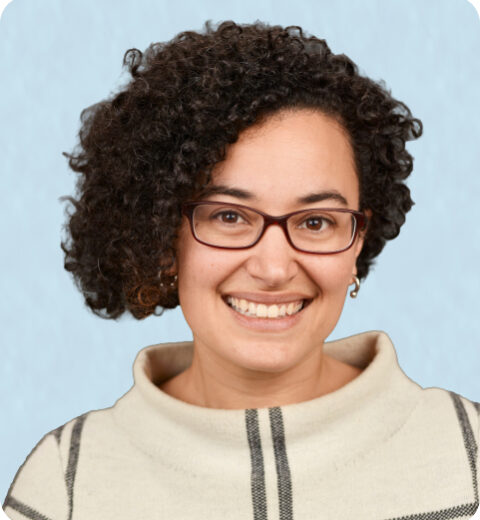
Program Director
Rebecca Herman, CPM, MPH
View Bio: Rebecca Herman, CPM, MPH -

Senior Training and TA Associate
Suzanne Wertman, MSN, CNM, FACNM
View Bio: Suzanne Wertman, MSN, CNM, FACNM -

Project Coordinator
Sonia Chang, MS
View Bio: Sonia Chang, MS -
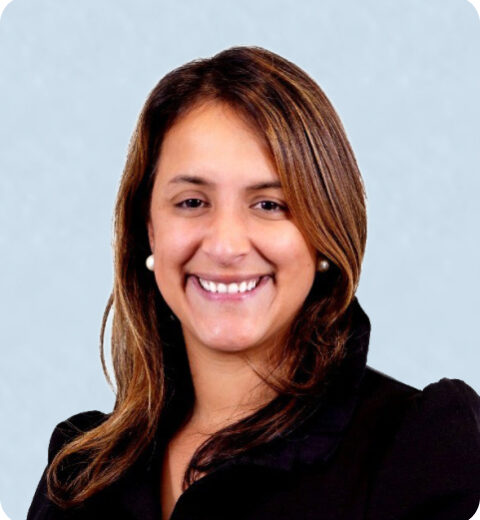
Director of MCH Programs at EDC
Zhandra Levesque, DrPH, MPH
View Bio: Zhandra Levesque, DrPH, MPH
The Massachusetts Center of Excellence and Learning Lab
We acknowledge the Massachusetts Department of Public Health—and in particular the Bureau of Family Health and Nutrition—for their ongoing commitment to birth equity and capacity building across the Commonwealth. Their leadership, funding, and partnership have been essential in strengthening the systems, workforce, and community support that help families access community birth care.
For further information about all of MA DPH’s perinatal and maternal health initiatives visit their website or contact Cristina Alonso.
Learn More (opens in a new tab)Our DPH Team
Massachusetts Community Birth Integration and Doula Initiatives are led by the MA Department of Public Health.
Massachusetts Department of Public Health
Pregnancy, Infancy and Early Childhood Division
250 Washington Street, Boston, MA 02108
For more information contact:
Cristina Alonso, DrPH, MPH, CPM
Email Pregnancy, Infancy and Early Childhood Division at Cristina.E.Alonsolord@mass.gov
Our Partners
CBDI works in close collaboration with more than two dozen local, regional, and national partners across clinical, community, and public health systems.
-
 MA Department of Health (opens in a new tab)
-
 US Center for Medicaid Services Rural Health Transformation Program (opens in a new tab)
-
 Skyline Foundation (opens in a new tab)
-
 Pritzker Children’s Investment Fund across clinical, community, and public health systems (opens in a new tab)
-
 Primary Maternity Care’s Step Up Together Program (opens in a new tab)